Washi
Washi unites Japanese restraint and grace, natural materials and quiet craftsmanship — a living heritage at your window.
In 2014, this craft — "Washi, craftsmanship of traditional Japanese hand-made paper" — was inscribed on UNESCO's Representative List of the Intangible Cultural Heritage of Humanity.
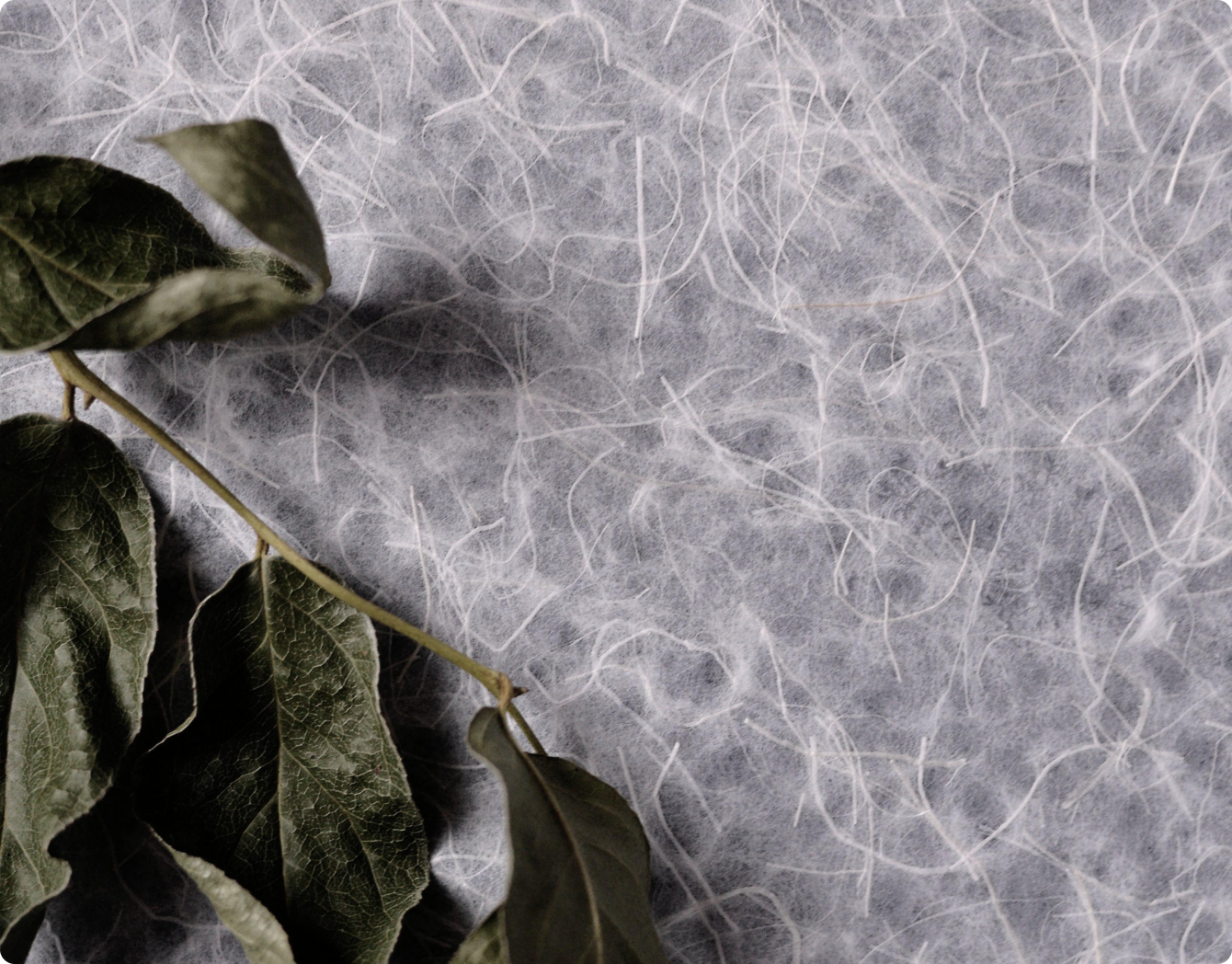
Washi is traditional Japanese paper, still made today exactly as it was a millennium ago: by hand, by master craftspeople, following techniques passed from one generation to the next.
When a Wood & Washi screen hangs at your window, it isn't simply a window covering. It is a piece of a 1,300-year-old living tradition — handmade, never machine-printed, and quietly unlike anything mass-produced.
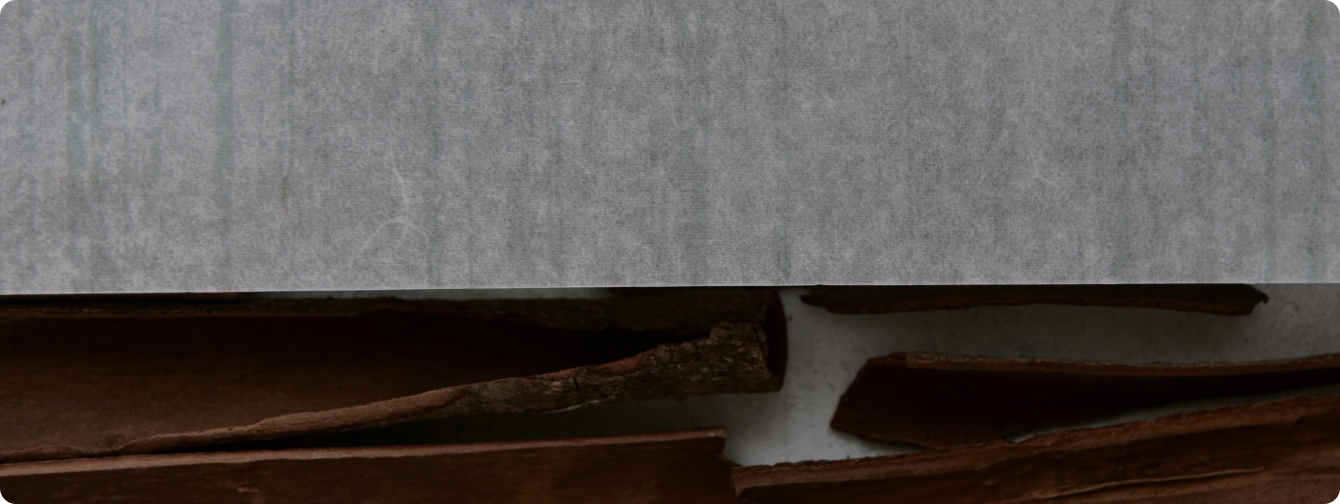
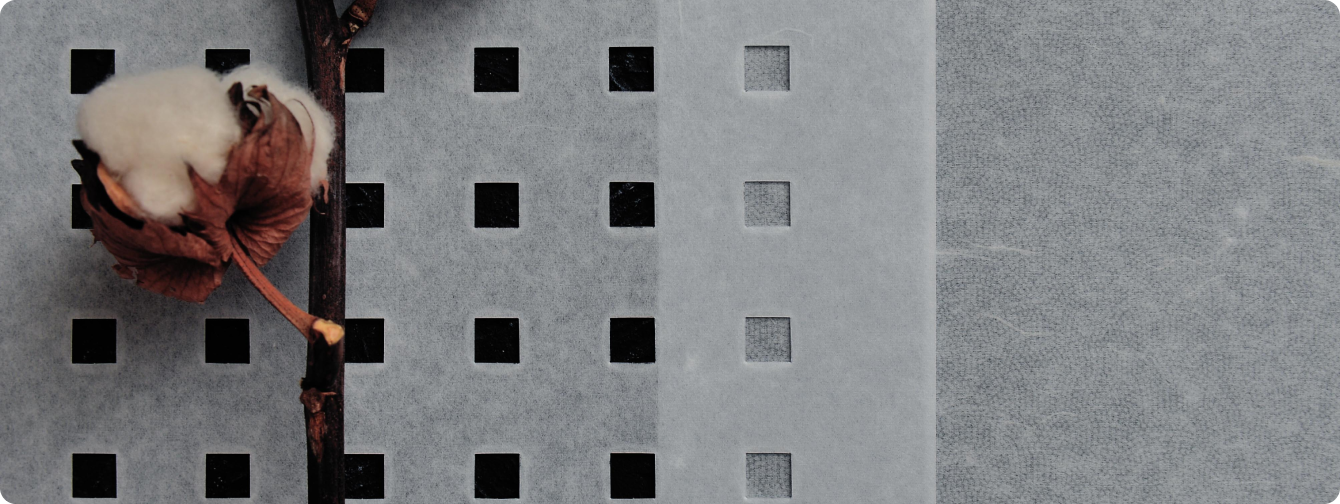
The UNESCO inscription recognises three traditional techniques — Sekishū-banshi, Hon-Minoshi and Hosokawa-shi — kept alive in their home regions of Shimane, Gifu and Saitama. In these communities the craft is transmitted within families, master to apprentice, and regarded as a symbol of cultural identity. It is this same heritage of hand, fibre and water that Wood & Washi carries into the contemporary interior.
Uniqueness in each panel
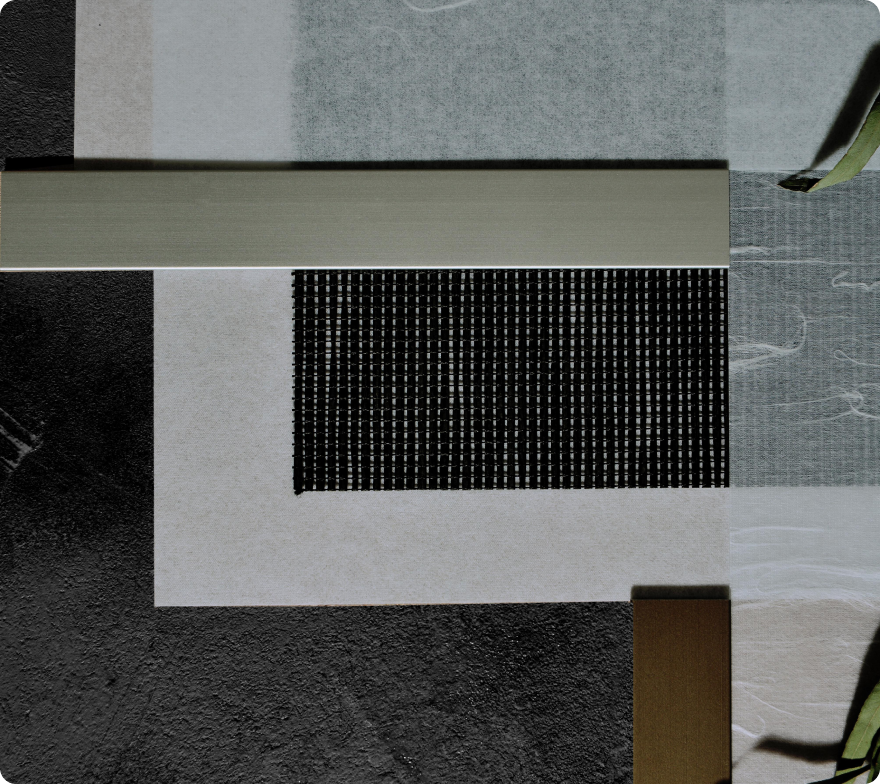
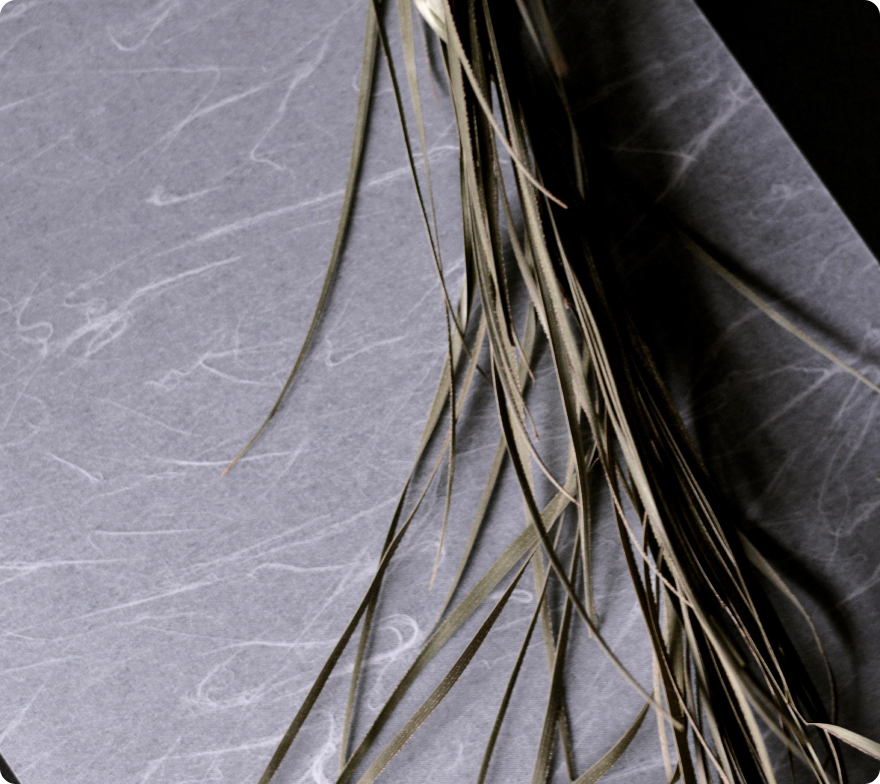
Because washi is formed by hand, no two sheets are identical. Each carries an understated translucency and a subtly irregular texture that machine-made paper cannot reproduce. Held against the light, the fibres reveal themselves — a soft, ever-changing play of light and shadow that belongs to your window alone.
This is the quiet luxury of the handmade: not a pattern repeated a thousand times, but a single, living surface, made once.

Material & making
Washi is an eco-friendly material, singular in both composition and method. It is made from the inner bark of the kōzo (paper mulberry) shrub, along with mitsumata and the gampi plant. Kōzo's long fibres are what give the paper its rare combination of delicacy and strength — translucent yet resilient, light yet enduring.
The fibres are soaked in clear water and formed by hand on a screen, then dried — a patient, natural process using no harsh chemicals, which is why washi keeps its colour and resists yellowing even in direct sunlight. Today Wood & Washi safeguards this technique, selecting the finest plant raw materials and making each woven washi canvas by hand.